
Most people who are chronically tired have been told the same things.
Sleep more. Stress less. Exercise. Drink more water. These suggestions are not wrong. But they are not addressing what is actually causing the fatigue for a significant portion of people who follow all of them and still feel exhausted.
Chronic fatigue that does not resolve with rest is almost always a signal. The question is what it is signaling. And in most cases, the answer starts with what your body is not getting enough of.
The Nutrient Connection Most People Miss
Fatigue is one of the earliest and most consistent symptoms of several common nutrient deficiencies. The problem is that these deficiencies are easy to miss because they develop gradually and their symptoms overlap with stress, aging, and a dozen other explanations people reach for first.
Iron deficiency is the most common nutritional cause of fatigue worldwide. Iron is required to produce hemoglobin, the protein in red blood cells that carries oxygen throughout the body. When iron stores drop, cells get less oxygen. Energy production suffers. The result is a persistent tiredness that sleep does not fix, often accompanied by difficulty concentrating, pale skin, and hair shedding. Women of reproductive age are most affected because of monthly blood loss, but iron deficiency is more widespread than most people realize across all demographics.
B12 deficiency produces fatigue through a different mechanism. B12 is essential for producing healthy red blood cells and maintaining nerve function. Without adequate B12, the body produces abnormally large red blood cells that cannot carry oxygen efficiently. The result is reduced energy delivery to every tissue in the body. B12 deficiency can also cause pronounced exhaustion even when levels are in the low normal range, which means standard blood tests can miss it. Neurological symptoms like brain fog, tingling in the hands and feet, and poor recall often accompany the fatigue.
Folate works alongside B12 in red blood cell production. A deficiency produces similar symptoms and is often present alongside B12 deficiency. Most people getting inadequate folate are not aware of it because the symptoms build slowly and feel like general unwellness rather than a specific condition.
Copper supports iron metabolism and the production of red blood cells. It is rarely discussed in the context of fatigue but low copper impairs the body's ability to use iron properly, meaning someone can have adequate iron intake and still experience fatigue symptoms because the copper needed to process it is missing.
Why Modern Diets Create This Problem
These are not exotic nutrients. They are foundational. The reason deficiency is so widespread is that the foods richest in them have largely disappeared from modern diets.
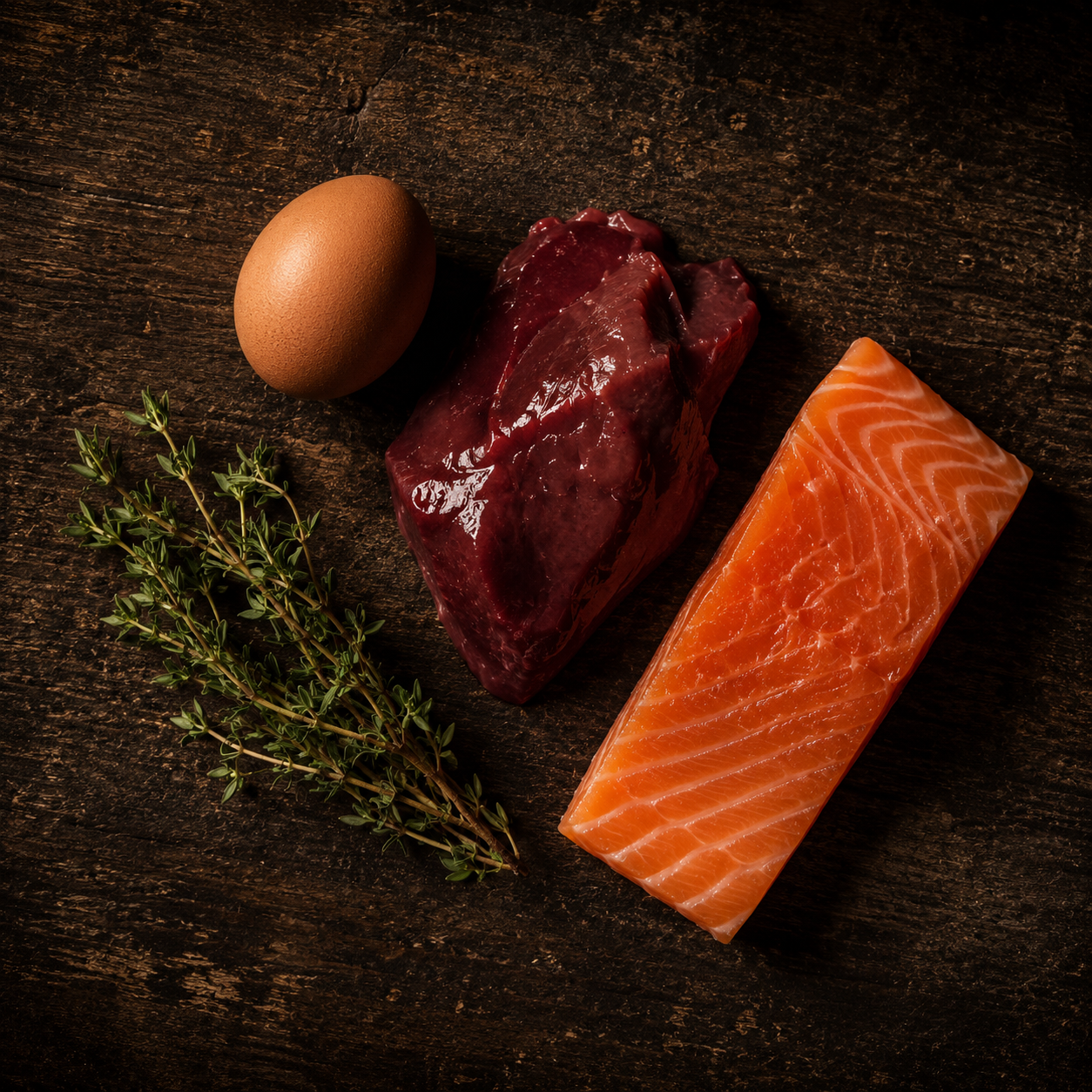
Beef liver is one of the most concentrated sources of iron, B12, folate, and copper available in any food. It delivers heme iron, the form absorbed two to three times more efficiently than the non-heme iron in supplements and plant foods. It contains B12 in its active form at concentrations that dwarf most supplements. It provides natural folate ready to use without conversion. It is one of the few meaningful food sources of copper.
A generation ago liver was a weekly staple in most households. Today most people have not eaten it in years. The nutritional gap that created is real and measurable. The symptoms show up as fatigue that doctors cannot fully explain and that supplements often do not resolve because the synthetic forms of these nutrients are absorbed inconsistently.
Why Your Supplement May Not Be Fixing It
If you are already taking iron or B12 supplements and still tired, this is worth understanding.
Synthetic iron supplements are poorly absorbed by many people and commonly cause digestive side effects including nausea, constipation, and cramping. The gut is not designed to receive isolated inorganic iron without the biological context that food provides. Many people stop taking iron supplements because of how they feel, which means the deficiency persists.
Cyanocobalamin, the most common form of B12 in supplements, requires conversion to the active form before the body can use it. For people with absorption issues or certain genetic variants, that conversion is inefficient. Folic acid, the synthetic folate in most supplements and fortified foods, faces the same conversion problem for a significant portion of the population.
Heme iron from animal tissue does not cause these digestive issues and is absorbed significantly more efficiently. B12 from animal food sources arrives in bioavailable form without requiring conversion. The difference between supplementing with synthetic nutrients and getting those same nutrients from whole food sources is not marginal. It is the difference between a supplement that works and one that gives you expensive urine.
What to Do About It
The first step is to get tested. A basic blood panel including serum ferritin, B12, and folate will tell you whether deficiency is contributing to your fatigue. Serum ferritin specifically, not just hemoglobin, is the most sensitive marker for iron status. Many people with low ferritin feel fatigued long before their hemoglobin drops into the anemic range.
The second step is to address deficiency with the most bioavailable sources available.
Beef liver covers iron, B12, folate, and copper in a single whole food source. It is the most direct nutritional answer to the most common causes of chronic fatigue. Our Beef Liver is one ingredient. Grass-fed, freeze-dried, nothing added. Three capsules delivers a meaningful dose of each of these nutrients in the forms the body absorbs most efficiently.
For women specifically, our Organ Complex adds heart, spleen, kidney, and pancreas alongside liver, broadening the nutritional coverage and adding CoQ10 for cellular energy production.
Chronic fatigue is not something you have to accept. In many cases it is a signal that something specific is missing. Finding out what that is and addressing it with real food sources is where the answer usually lives.