
The conversation about eating for brain health after 60 usually starts in the same place.
Blueberries. Salmon. Leafy greens. Olive oil. These are good foods and the research behind them is real. But they tell an incomplete story about what the aging brain actually needs and what most people over 60 are not getting enough of.
Here is a more complete picture.
What the Brain Needs More of After 60, Not Less
The brain does not shrink its nutritional requirements with age. If anything, the demands increase as the body becomes less efficient at absorbing and utilizing what it takes in.
B12 is the most critical nutrient to understand here. The stomach produces less acid with age, which directly impairs B12 absorption. Studies consistently show that deficiency rates climb significantly after 60 and continue rising with each decade. B12 deficiency progresses silently. Memory problems, slower processing speed, and difficulty concentrating are often attributed to normal aging when they are actually the result of a correctable deficiency. Getting B12 checked is one of the most useful things anyone over 60 can do.
Choline supports acetylcholine production, the neurotransmitter most directly involved in memory and learning. Most people over 60 are not meeting the recommended intake. The foods that supply it most reliably, liver and eggs, have been underconsumed in Western diets for decades. The gap shows up as brain fog and reduced recall that people assume is simply part of getting older.
DHA, the omega-3 fat that makes up a large portion of the brain's structural tissue, declines as diets shift away from animal foods. The brain uses DHA continuously for maintenance and repair. When the supply runs low, the effects are gradual and easy to miss until they are significant.
Phosphatidylserine supports the integrity of brain cell membranes and has been studied specifically for memory and cognitive function in older adults with consistent results across multiple trials. It is found in highest concentration in brain tissue, not in any plant food or conventional supplement.
The Foods Most People Forget
The standard advice for brain health after 60 covers the basics. Fatty fish for omega-3s. Berries for antioxidants. Leafy greens for folate and vitamin K. These are worth eating and the evidence supports them.
What the standard advice consistently leaves out is organ meats.
Beef liver delivers B12 in higher concentrations than almost any other food. It provides natural folate in its active form, ready to use without conversion. It contains choline in amounts that move the needle meaningfully for acetylcholine production. It delivers heme iron, copper, and retinol alongside the cofactors that support their absorption.
This is not a new discovery. Liver was a weekly staple in most households through the mid twentieth century. It disappeared from modern diets around the same time that synthetic multivitamins became the default solution to nutritional gaps. The substitution was never equivalent.
Beef brain contains phosphatidylserine at concentrations found nowhere else in the food supply. It delivers DHA in a whole food matrix alongside BDNF, a protein involved in the growth and survival of neurons. These are the compounds the brain is literally built from, arriving in the form the body has always known how to use.
Eggs cover choline reasonably well and are one of the easiest foods to add back into a daily routine. Fatty fish covers DHA. But for the full picture of what the aging brain needs, organ meats are the piece most people are missing entirely.
Why Absorption Matters More After 60
Eating the right foods is only part of the equation. The body's ability to extract and use nutrients changes significantly with age.
Stomach acid production decreases, which impairs absorption of B12, iron, zinc, and other nutrients that require an acidic environment to be properly extracted from food. Medications commonly prescribed to older adults compound this further. Proton pump inhibitors, metformin, and certain blood pressure medications all deplete specific nutrients.
This means the answer after 60 is not just eating more. It is eating foods that deliver nutrients in the most bioavailable forms available. Forms that do not require extensive conversion or optimal digestive conditions to be useful.
Heme iron from animal tissue absorbs at a rate two to three times higher than non-heme iron from plant foods or supplements. Retinol from liver is used directly without conversion. Natural folate from whole food sources does not require the enzymatic conversion that folic acid depends on. These distinctions matter more after 60 than at any other stage of life.
A Simple Starting Point
You do not need to overhaul everything you eat. The goal is to fill the gaps that are most likely to be affecting how your brain feels and functions right now.
Add eggs if you are not eating them regularly. Add fatty fish two to three times per week. Prioritize leafy greens for folate and vitamin K. Get your B12 levels tested so you know whether you are deficient before assuming the symptoms are just aging.
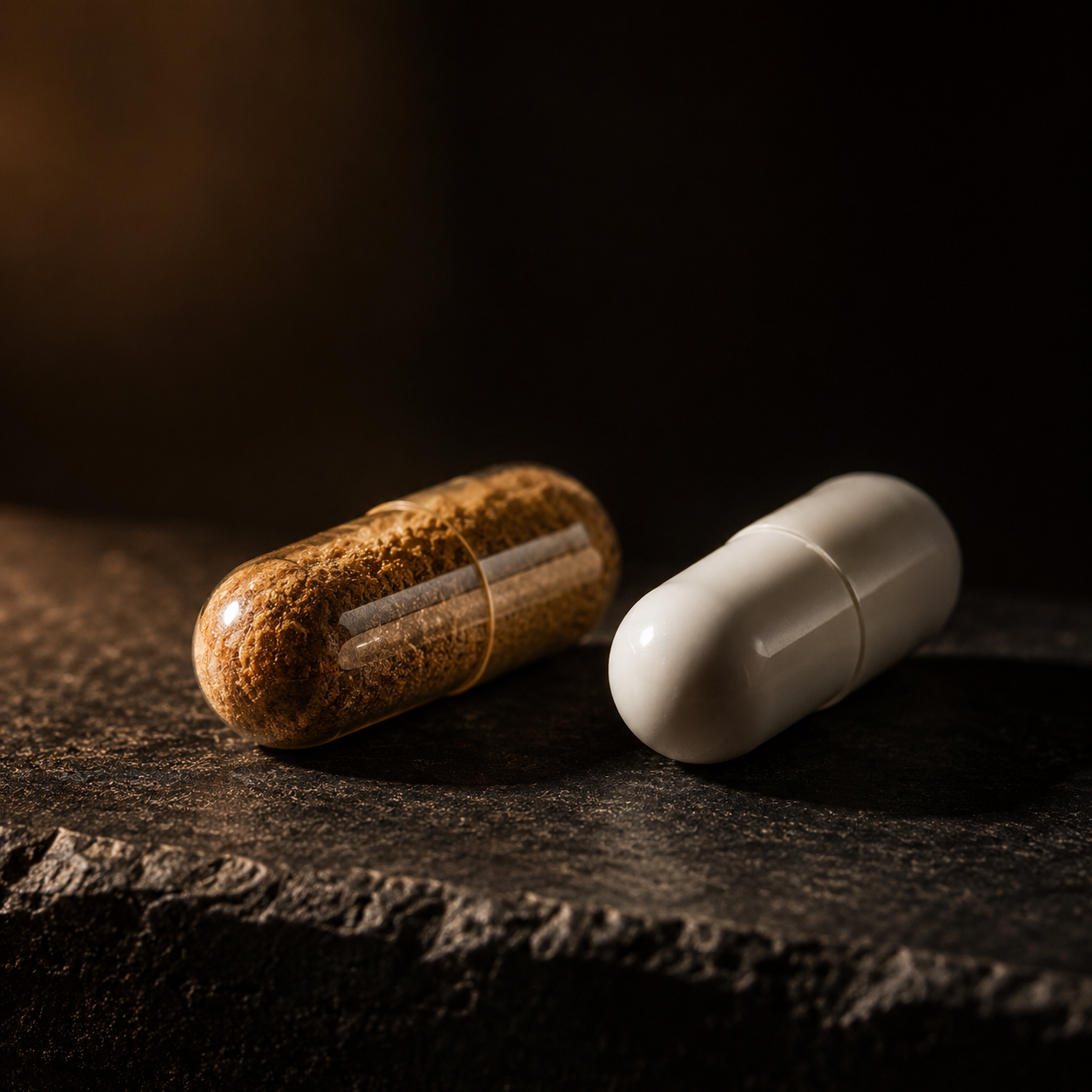
And consider adding organ meats back in some form. If cooking liver is not realistic, freeze-dried organ supplements deliver the same nutritional profile in capsule form. No preparation, no taste, no barrier.
Our Beef Liver and Beef Brain are each one ingredient. Grass-fed, freeze-dried, nothing added. For people over 60 who want to give their brain what it has always run on, in the most direct form available, that is where to start.
Staying sharp after 60 is not about adding more supplements to a long list. It is about making sure the foundational nutrients are actually present, in forms the body can use, consistently.