
Gram for gram, beef liver contains more vitamins and minerals than any other food on earth. That is not marketing. It is what the nutritional data consistently shows. Here is exactly what is in it, why the form of those nutrients matters more than the amount, and why this is the one food most modern diets are missing entirely.
What Is Actually In Beef Liver
A single three-ounce serving of beef liver delivers over 2,900 percent of the daily recommended intake for vitamin B12. It provides more than 100 percent of the daily value for vitamin A, riboflavin, and copper. It contains meaningful amounts of folate, iron, choline, selenium, and zinc, all in forms the body absorbs efficiently because they come from a whole food source.
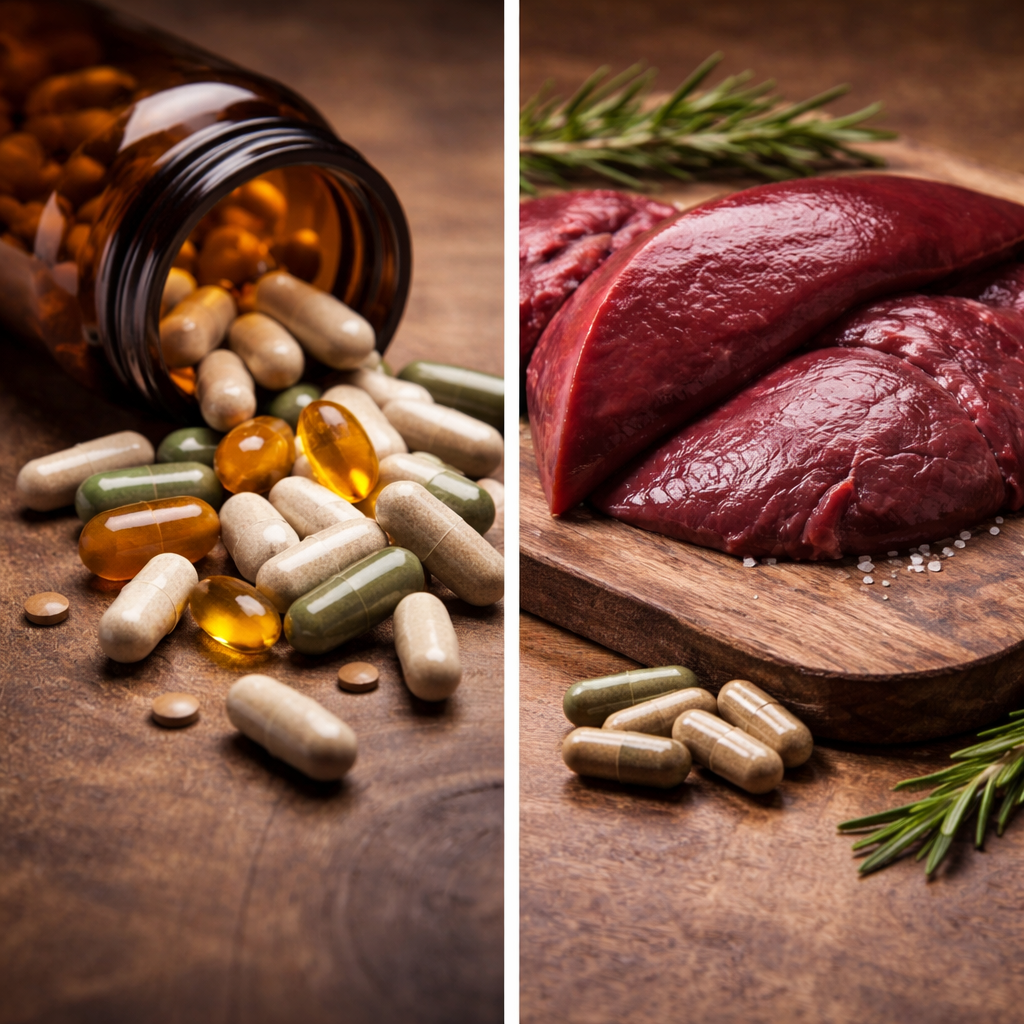
To put that in context, consider what you would need to buy to replicate that nutrient profile in supplement form. B12. Iron. Vitamin A. Copper. Choline. Folate. That is six separate products, all synthetic, none with the natural cofactors that support absorption.
Beef liver provides all of it in one food. Nothing added. Nothing isolated. Just what the animal concentrated naturally.
Why Bioavailability Matters
Not all nutrients are equal. The form they come in determines how much your body can actually use.
The iron in beef liver is heme iron. It is absorbed at a significantly higher rate than the non-heme iron found in plant foods or most iron supplements. The vitamin A is preformed retinol, which the body uses directly without conversion. The B12 is in a form that crosses into the bloodstream readily.
This is what whole food nutrition means in practice. The nutrients arrive in the form your body evolved to use, alongside the cofactors that help them work. A synthetic multivitamin lists similar nutrients on the label. What it cannot replicate is the biological context those nutrients exist in when they come from real food.
Why Liver Disappeared From Modern Diets
For most of human history liver was not optional. It was the most prized part of the animal.
That changed in the second half of the twentieth century. Muscle meat became the norm. Convenience foods replaced whole animal eating. Organ meats were quietly dropped from the Western diet, and with them went a significant portion of the micronutrients most people now try to get from pills.
The timing is not a coincidence. The decline of organ meat consumption and the rise of chronic nutrient deficiency happened together. Iron deficiency is now one of the most common nutritional problems in developed countries. B12 deficiency is widespread. These are nutrients beef liver supplies in abundance.
How to Get It In Without Cooking It
Most people today have no relationship with liver as a food. The taste is unfamiliar. The preparation feels inconvenient. That is a reasonable barrier.
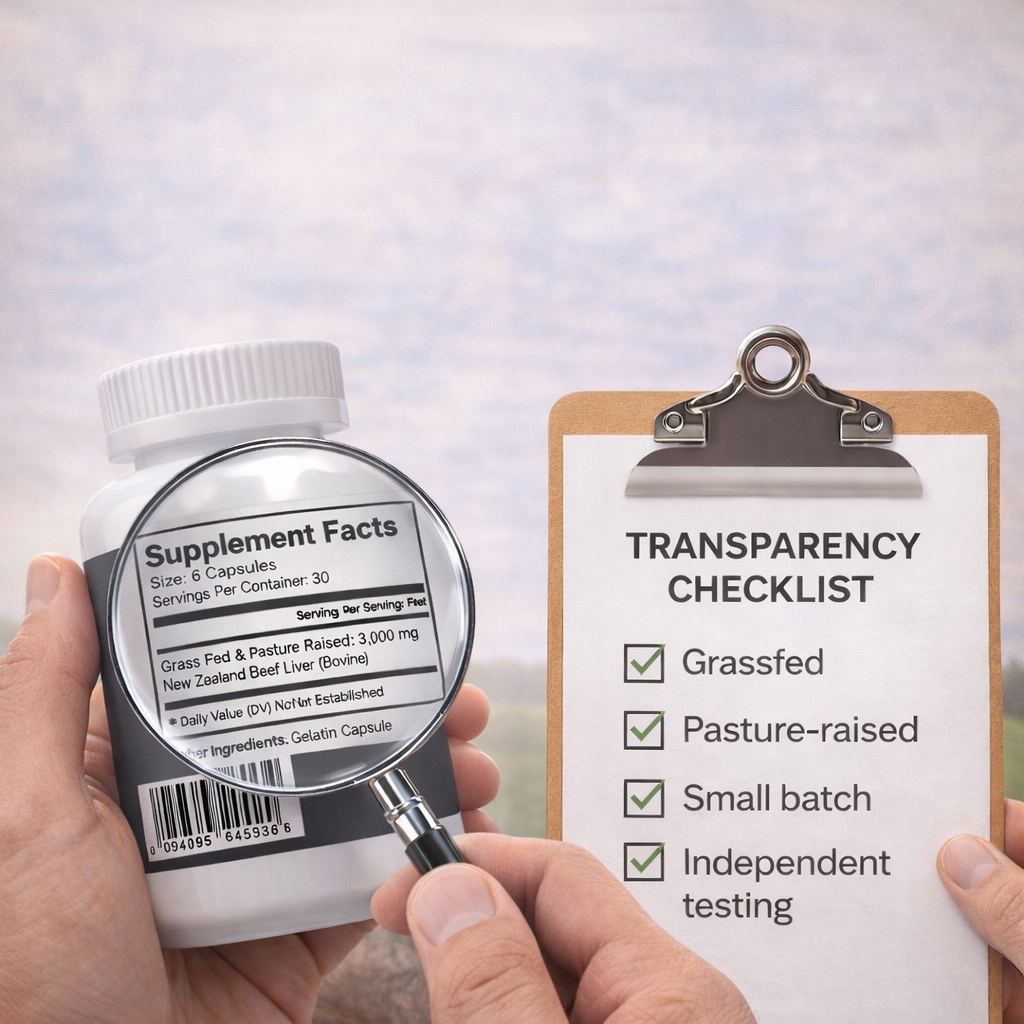
The solution is simple. Freeze-dried beef liver capsules deliver the same nutritional profile as fresh liver without the taste, the preparation, or the need to source it yourself. The key is quality. Grass-fed sourcing matters because it produces higher concentrations of vitamins A and B12. Nothing added to the capsule means what is on the label is what you are getting.
At Primal Being, our Beef Liver is one ingredient. Grass-fed beef liver. That is it. No fillers, no flow agents, nothing to dilute what the food already provides.
Liver is not a trend. It is not a discovery. It is just what works. And it has been working for a very long time.