
Most conversations about brain health focus on what to avoid.
Cut processed food. Reduce sugar. Limit alcohol. These are reasonable suggestions and the research supports them. But they leave out the more important question entirely.
What are you actually feeding your brain?
The brain is not passive. It is the most metabolically active organ in the body. It has specific nutritional requirements that do not decrease with age. And the foods that meet those requirements most directly are not the ones most people are eating.
What the Brain Actually Needs
The mainstream conversation about brain food tends to center on leafy greens, berries, and fatty fish. These are good foods. But they tell an incomplete story.
The brain is made primarily of fat, specifically DHA, an omega-3 fatty acid that makes up a large portion of its structural tissue. It runs on B vitamins, particularly B12, which supports myelin, the protective coating around nerve fibers that allows signals to travel efficiently. It requires choline to produce acetylcholine, the neurotransmitter most directly involved in memory and learning. It depends on phosphatidylserine to maintain the integrity of brain cell membranes. It needs copper, zinc, and folate for the enzymatic processes that keep neurons healthy and repair damage over time.
These are not nutrients you get in meaningful amounts from salad. They come almost exclusively from animal foods. Specifically from the animal foods that have been disappearing from modern diets for sixty years.
The Nutrients Most People Are Missing
B12 deficiency is one of the most common nutritional problems in adults over 50. The stomach produces less acid with age, which impairs B12 absorption from food. Medications including metformin and acid blockers deplete it further. B12 deficiency progresses silently for years before symptoms appear, by which time neurological damage may already be occurring.
Choline is chronically underconsumed across nearly every demographic. It is essential for acetylcholine production and for the structural integrity of brain cell membranes. Research on pregnant women shows that adequate choline intake during pregnancy is associated with better cognitive outcomes in children. Research on older adults suggests that adequate choline intake is associated with better cognitive function across multiple measures. Most people are not getting enough of it at any life stage.
DHA from whole food sources has declined significantly as processed seed oils replaced animal fats in modern diets. The brain needs a continuous supply of DHA for structural maintenance and repair. The body can convert some omega-3s from plant sources into DHA but the conversion rate is inefficient in most people. The most direct source is animal tissue, particularly fatty fish and organ meat.
Phosphatidylserine, found in highest concentration in brain tissue specifically, supports memory, focus, and the formation of new neural connections. It is studied specifically for cognitive function in aging adults with consistent results.
The Foods That Cover the Most Ground
Fatty fish covers DHA well. Eggs cover choline reasonably well. Leafy greens provide folate and antioxidants. These are all worth eating.
But no plant food and no conventional animal food matches what organ meats deliver for brain health specifically.
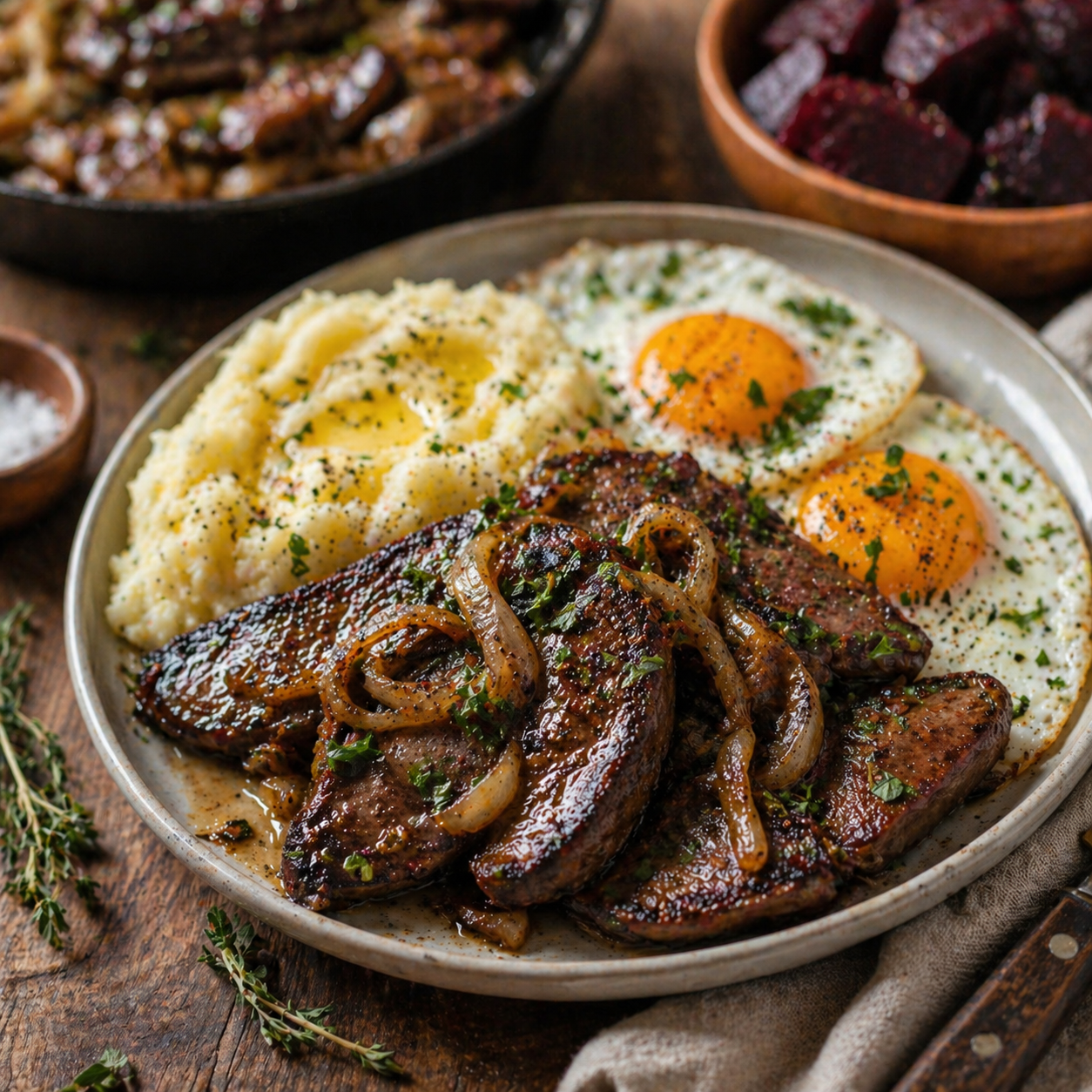
Beef liver is the most concentrated source of B12 available in any food. It delivers choline in meaningful amounts alongside retinol, heme iron, copper, and folate, all in bioavailable whole food form. One serving covers the majority of what the brain needs from a micronutrient standpoint.
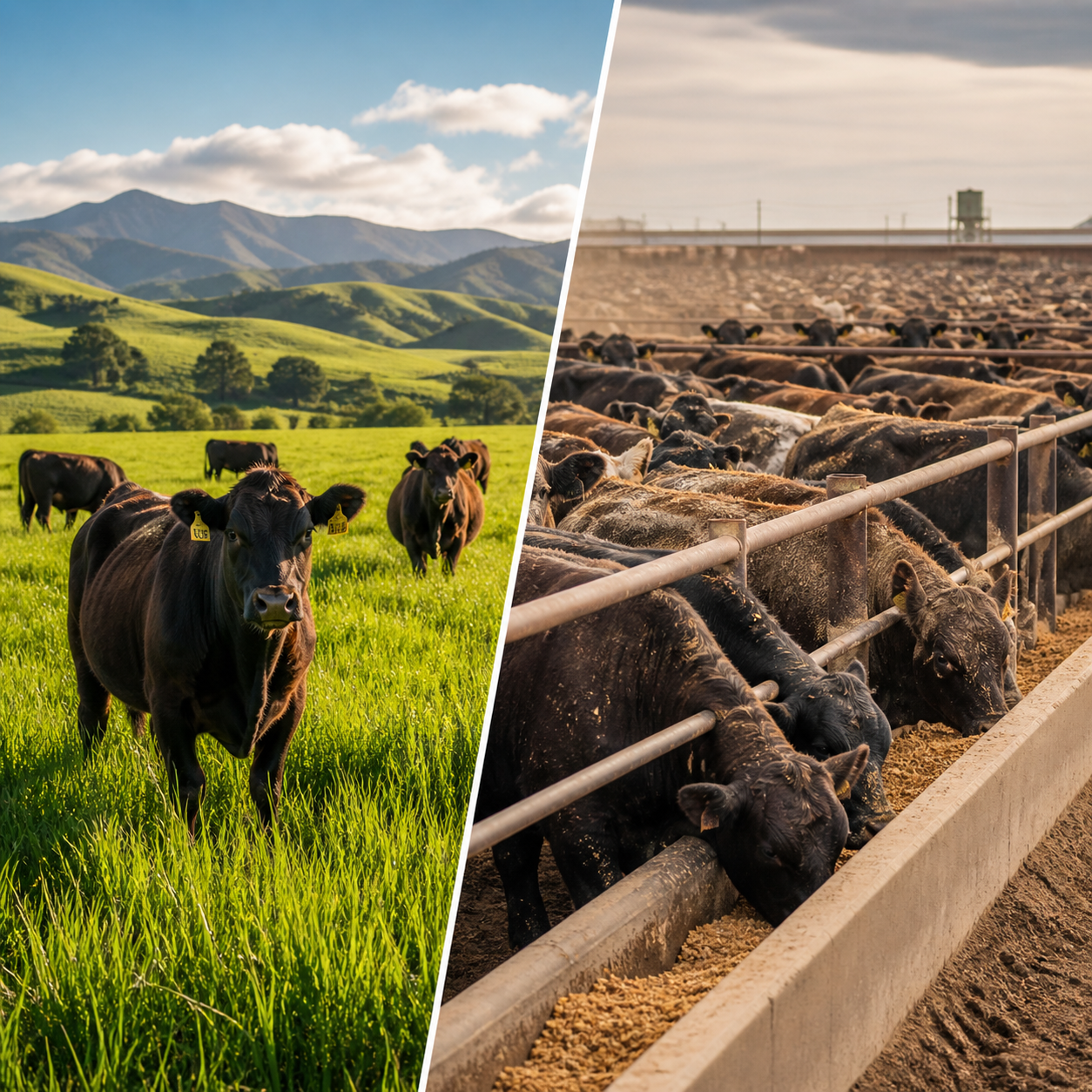
Beef brain delivers phosphatidylserine at concentrations found nowhere else in the food supply. It contains DHA in a whole food matrix alongside the cofactors that support absorption. It provides BDNF, a protein involved in the growth and survival of neurons. These are the nutrients the brain is literally built from, arriving in the form the body has always known how to use.
What This Looks Like in Practice
You do not have to cook organ meats to get what they provide.
Freeze-dried organ supplements deliver the same nutritional profile as fresh organs in capsule form. No preparation, no taste, no barrier. Our Beef Liver and Beef Brain are each one ingredient, grass-fed, freeze-dried, nothing added.
For people who want the broadest coverage in the simplest form, our Organ Complex delivers five organs in a single serving. Liver, heart, spleen, kidney, and pancreas, each contributing something the others do not, together covering more nutritional ground than any conventional supplement or dietary pattern alone.
Brain health is not a single nutrient problem and it is not solved by a single food. But the pattern is consistent across the research. The diets associated with the best cognitive outcomes in aging are the ones richest in the specific nutrients found in animal foods, particularly organ meats.
Eating for brain health as you age does not have to be complicated. It just has to be deliberate.